














MITOLAB

DNA Icon

CELLULAR MITOCHONDRIAL LABORATORY

Mitochondrial health and immune resource passport

ORDER A MITOCHONDRIAL TEST

ABOUT US

MITOLAB CELLULAR RESEARCH LABORATORY

– specializes in full-cycle assessment and diagnostics of mitochondrial function, measurement of cellular respiration, and determination of the level of non-specific immunity.

Mitochondria icon

We believe the key to longevity and health is hidden at the very heart of every cell — the mitochondria. The idée fixe that drives us — is to create a future in which aging is no longer perceived as an inevitable given.

P.S. THE MITOLAB TEAM

MITOLAB COOPERATION
WITH CLINICS AND PHYSICIANS

Increase the value of your services with mitochondrial analysis

ONLINE - TRAINING FOR PHYSICIANS

As part of our cooperation, we provide access to our proprietary online course for physicians. This training will give your specialist a clear understanding.

LEARN MORE

COOPERATION WITH CLINICS AND PHYSICIANS

LEARN MORE

VENOUS BLOOD SAMPLING FOR ANALYSIS

LEARN MORE

LOGISTICS AND TURNAROUND TIME FOR THE ANALYSIS

LEARN MORE

ALL ROADS LEAD TO MITOCHONDRIA

Mitochondria icon

Mitochondria are the tiny "power plants" inside the cells of our body. They convert the food we eat into the energy that cells need to perform their functions.

Mitochondria are critically important because they give cells the energy they need to work. Without this energy, cells cannot perform their functions, divide, grow or operate. Mitochondria are like tiny batteries that keep every cell alive. Without mitochondria, a cell cannot function normally and will die.

Mitochondria icon

Mitochondria, as the energy centers of the cell, play a critical role in maintaining metabolism, regulating cellular respiration and supplying energy to all biological processes.

Diagnostics of mitochondrial function is a key tool for assessing health at the cellular level. Any impairment of mitochondrial function can lead to a wide range of diseases, especially chronic and systemic ones, which makes early diagnosis of mitochondrial dysfunction extremely important. Impaired mitochondrial function correlates with the manifestations of various diseases.

TYPES OF TESTS WE OFFER

TEST PRICE LIST

MITO Light (FAN)

5 parameters
  • Phagocytosis (latex bead test)
  • Oxygen and energy metabolism
  • Oxidative stress
  • Protein metabolism
  • Share of active mitochondria
40,000 KZT

MITO Standart

7 parameters
  • Phagocytosis (latex bead test)
  • Oxygen and energy metabolism
  • Oxidative stress
  • Calcium stress
  • Protein metabolism
  • Share of active mitochondria
  • Baseline NADH accumulation level
100,000 KZT

MITO Pro (extended)

12 parameters
  • Phagocytosis (latex bead test)
  • Oxygen and energy metabolism
  • Oxidative stress
  • Calcium stress
  • Protein metabolism
  • Share of active mitochondria
  • Baseline NADH accumulation level
  • Function of Complex I of the mitochondrial respiratory chain
  • Function of Complex V of the mitochondrial respiratory chain
  • Assessment of mitochondrial membrane function
  • Mitochondrial response to cellular stress
  • Non-mitochondrial respiration
120,000 KZT

MITO Max

15 parameters
  • Phagocytosis (latex bead test)
  • Oxygen and energy metabolism
  • Oxidative stress
  • Calcium stress
  • Protein metabolism
  • Share of active mitochondria
  • Baseline NADH accumulation level
  • Complex I activity (NADH dehydrogenase)
  • Complex II activity (succinate)
  • Complex III activity (ubiquinone)
  • Complex IV activity (cytochrome c oxidase)
  • Complex V activity (ATP synthase)
  • Assessment of mitochondrial membrane function
  • Mitochondrial response to cellular stress
  • Non-mitochondrial respiration
150,000 KZT

THE IMPORTANCE OF INTRODUCING DIAGNOSTICS OF MITOCHONDRIAL DYSFUNCTION INTO MEDICAL PRACTICE ACROSS ALL SPECIALTIES

Mitochondria icon

Mitochondrial therapy is widely used today by physicians and patients to support cellular energy and metabolism and prolong youth.

Numerous drugs, dietary supplements, herbal remedies, adaptogens and antioxidants are frequently prescribed, yet using them without diagnosing mitochondrial function carries extremely high risks.

3D model of a mitochondrion
Assessing the state of the mitochondria helps physicians determine precisely whether a patient needs mitochondrial therapy, avoiding possible side effects.

Without diagnostic data, therapy may be ineffective or even harmful. For instance, prescribing mitochondrial stimulants when function is normal can overload the cells, trigger oxidative stress and increase the risk of complications — much as giving iron to a patient without prior testing can cause problems if their iron level is already normal. Diagnostics make it possible to personalize treatment, minimizing risks and increasing its benefit for the patient's health.

Learn more

MITOCHONDRIAL THERAPY NOT BLINDLY

Mitochondria icon

Mitochondrial function diagnostics is a modern tool that helps gain a deeper understanding of health at the cellular level and identify predisposition to diseases associated with mitochondrial disorders.

Mitochondrial function diagnostics is a modern tool that helps gain a deeper understanding of health at the cellular level and identify predisposition to diseases associated with mitochondrial disorders.

WHO NEEDS DIAGNOSTICS OF MITOCHONDRIAL DYSFUNCTION?

3‑D visualization of a mitochondrion

HIGH-LEVEL EXPERTISE AND SCIENTIFIC FOUNDATION

Our team has unique expertise in mitochondrial medicine, backed by dozens of clinical studies and successful cases.

WE CONDUCT RESEARCH INVOLVING

4500+ PATIENTS

In fields such as oncology and rehabilitation medicine, with a special focus on the diagnosis and treatment of mitochondrial dysfunction.

  • Our methods, especially in oncology, have proven highly effective in supporting patients at various stages of disease, significantly improving their quality of life and their tolerance of radiation therapy, chemotherapy, and rehabilitation.
  • Thanks to our efforts, the results of our research have been published in leading international journals in Italy, Germany, the United Kingdom, India, Switzerland, Russia, and other countries, including Kazakhstan.

We actively share our knowledge and experience at major scientific forums and international congresses, where our specialists present the latest data on the role of mitochondria in the pathogenesis of various diseases.

One striking example of our work is the organization of the largest congress on mitochondrial medicine in Eurasia — "The Logic of Mitochondria". The forum brought together leading biologists, mitochondrial researchers, oncologists, pharmacologists, rehabilitation physicians, and specialists from related fields, a testament to the high level of trust in and recognition of our work within the international scientific and medical community.
STUDIES AND ARTICLES PUBLISHED BY OUR TEAM IN VARIOUS SCIENTIFIC AND MEDICAL JOURNALS

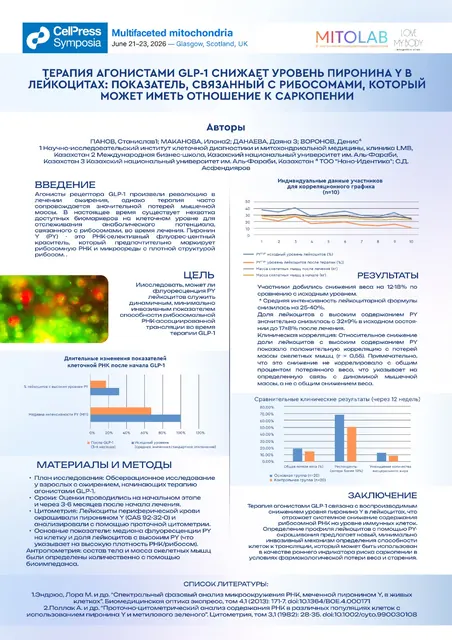
Poster: GLP‑1 agonist therapy reduces pyronin Y levels in leukocytes
Poster

GLP‑1 agonist therapy reduces pyronin Y levels in leukocytes — a ribosome-associated parameter that may be relevant to sarcopenia

Cell Press Symposia "Multifaceted mitochondria" · Glasgow, UK · 2026

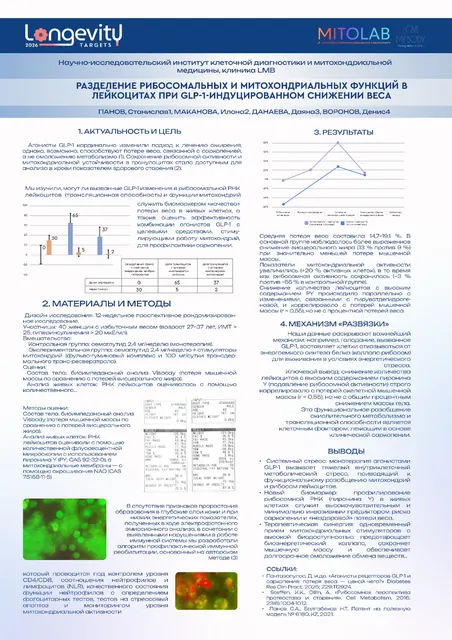
Poster: dissociation of ribosomal and mitochondrial functions in leukocytes during GLP‑1‑induced weight loss
Poster

Dissociation of ribosomal and mitochondrial functions in leukocytes during GLP‑1‑induced weight loss

Longevity Targets 2026 · Research Institute of Cellular Diagnostics and Mitochondrial Medicine, LMB Clinic

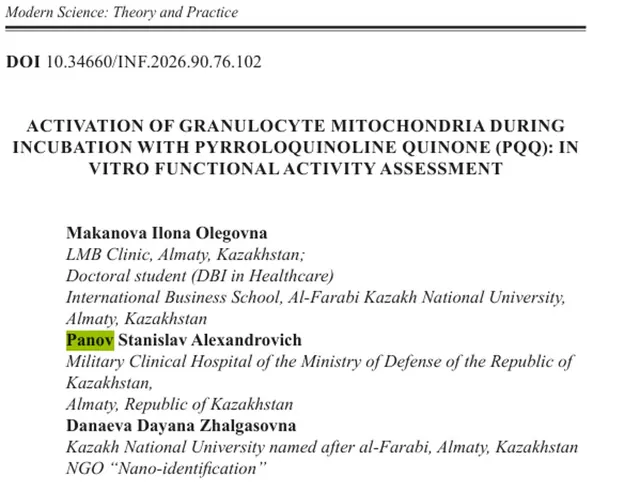
Article: activation of granulocyte mitochondria upon incubation with PQQ
Article

Activation of granulocyte mitochondria upon incubation with pyrroloquinoline quinone (PQQ): an in vitro assessment of functional activity

Modern Science: Theory and Practice · DOI 10.34660/INF.2026.90.76.102 · 2026

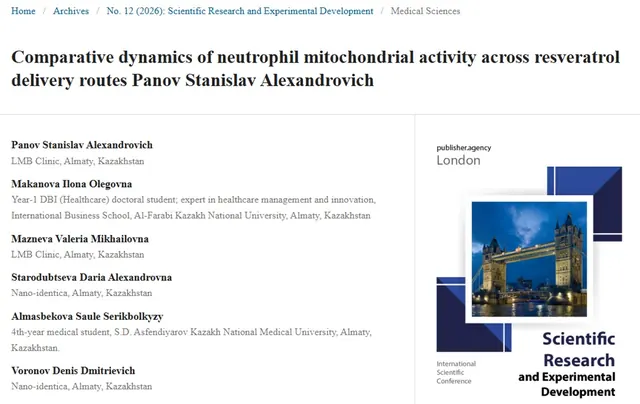
Article: comparative dynamics of neutrophil mitochondrial activity with different routes of resveratrol administration 2
Article + presentation

Comparative dynamics of neutrophil mitochondrial activity with different routes of resveratrol administration

Scientific Research and Experimental Development, No. 12 · 12th International Scientific Conference · London · January 2026

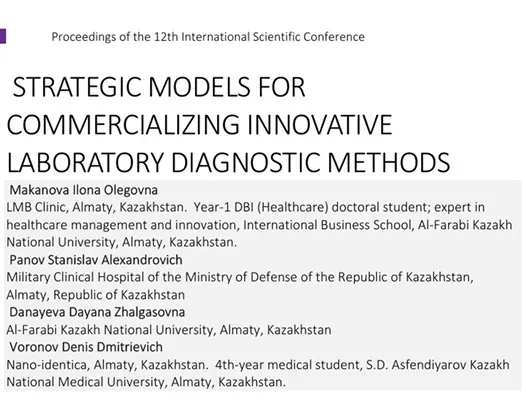
Presentation: strategic models for commercializing innovative laboratory diagnostic methods
Presentation

Strategic models for the commercialization of innovative laboratory diagnostic methods

Proceedings of the 12th International Scientific Conference · 2026

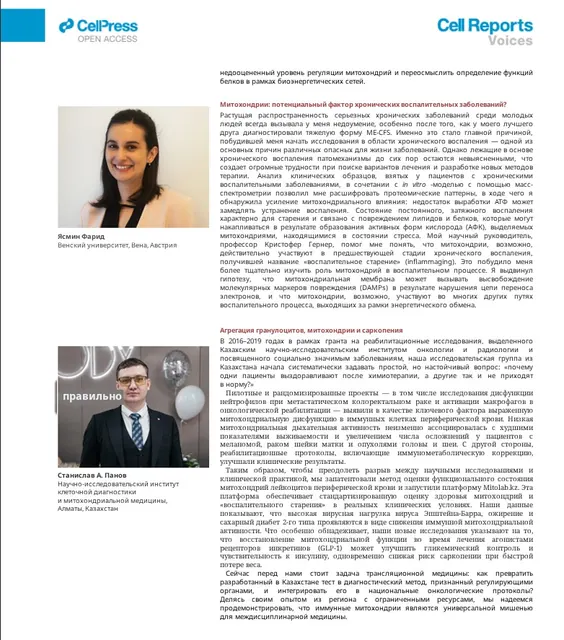
Cell Reports Voices: granulocyte aggregation, mitochondria, and sarcopenia 2
Publication

Granulocyte aggregation, mitochondria, and sarcopenia: immune mitochondria as a universal target

Cell Reports · Voices (Cell Press, open access) · Stanislav A. Panov

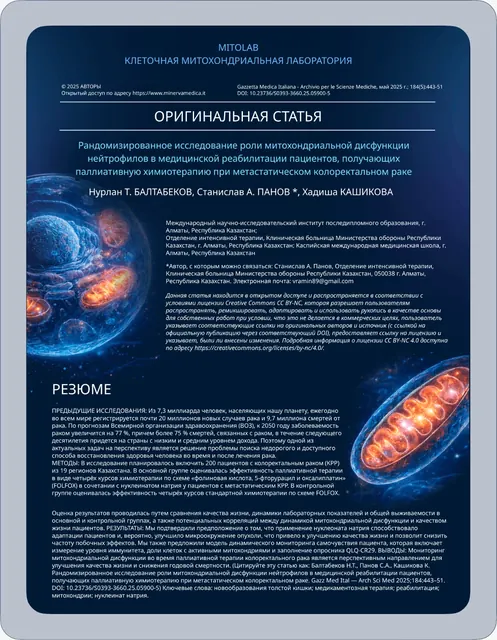
Article in Gazzetta Medica Italiana on neutrophil mitochondrial dysfunction in colorectal cancer
Article

A randomized study of the role of neutrophil mitochondrial dysfunction in the rehabilitation of patients receiving palliative chemotherapy for metastatic colorectal cancer

Gazzetta Medica Italiana — Archivio per le Scienze Mediche · 2025;184(5):443‑51 · DOI 10.23736/S0393-3660.25.05900-5

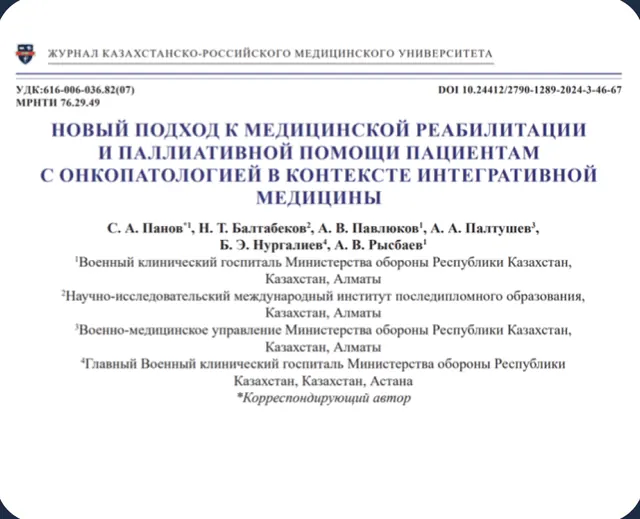
Article: a new approach to medical rehabilitation and palliative care for cancer patients in the context of integrative medicine 2
Article

A new approach to medical rehabilitation and palliative care for cancer patients in the context of integrative medicine

Journal of the Kazakh‑Russian Medical University · DOI 10.24412/2790-1289-2024-3-46-67 · 2024

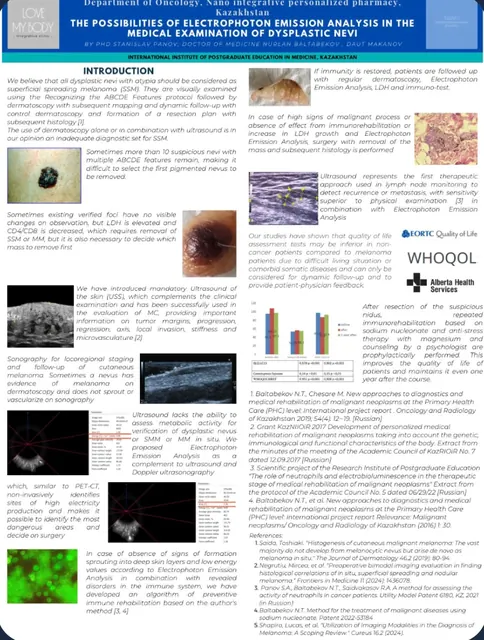
Dermato-oncology posters: electrophotonic analysis of dysplastic nevi and a melanoma follow-up care model 2
Posters

Electrophotonic emission analysis in the examination of dysplastic nevi and a new model of follow-up care, rehabilitation, and immunosurveillance in melanoma

European Dermato-Oncology Congress Dermato‑Onco 2024 · Vienna, Austria

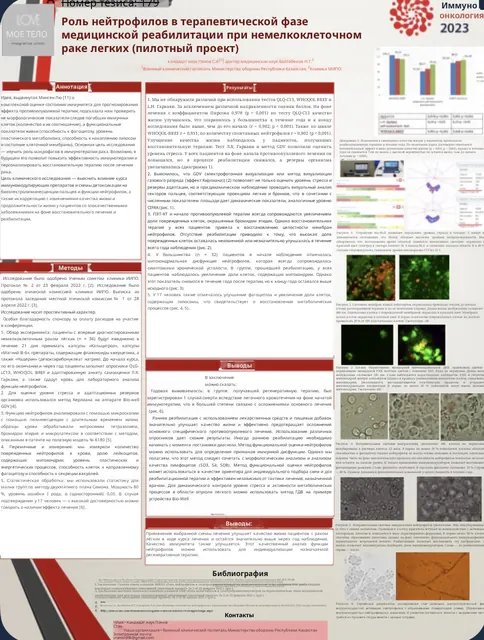
Poster: the role of neutrophils in the therapeutic phase of medical rehabilitation in non-small cell lung cancer 3
Poster

The role of neutrophils in the therapeutic phase of medical rehabilitation in non-small cell lung cancer (pilot project)

4th World Congress on Immuno-Oncology · Frankfurt, Germany · December 2023

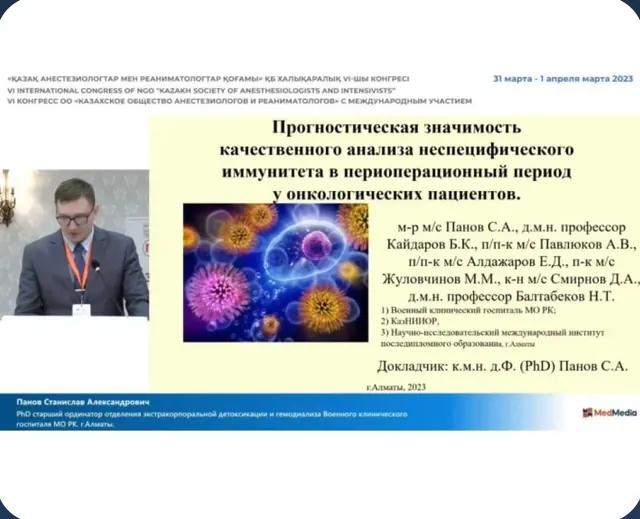
Presentation: prognostic value of qualitative analysis of nonspecific immunity in the perioperative period
Presentation

Prognostic value of qualitative analysis of nonspecific immunity in the perioperative period in cancer patients

VI International Congress of the Kazakh Society of Anesthesiologists and Intensive Care Specialists · Almaty · 2023

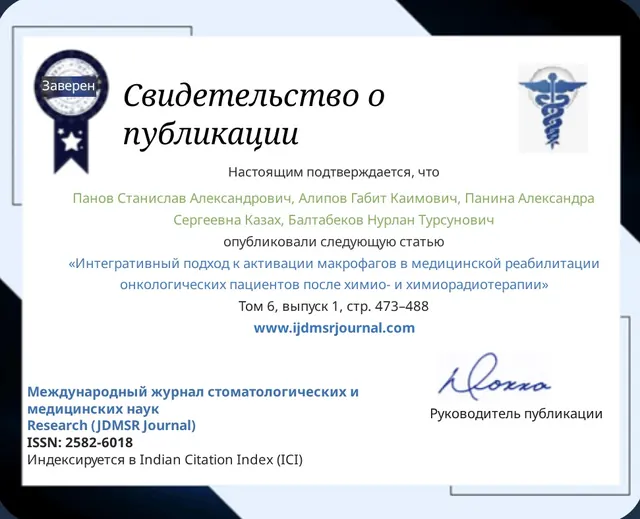
Certificate of publication of an article on an integrative approach to macrophage activation
Article

An integrative approach to macrophage activation in the medical rehabilitation of cancer patients after chemotherapy and chemoradiotherapy

JDMSR Journal · Vol. 6, Issue 1, pp. 473–488 · ISSN 2582‑6018

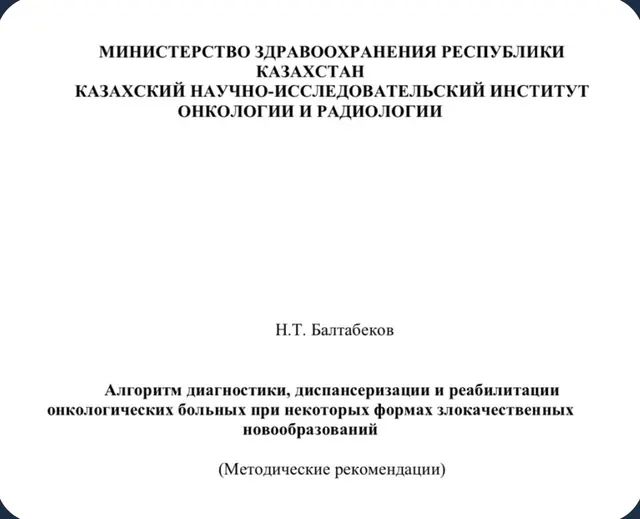
Methodological guidelines: an algorithm for the diagnosis, follow-up care, and rehabilitation of cancer patients
Methodological guidelines

An algorithm for the diagnosis, follow-up care, and rehabilitation of cancer patients with certain forms of malignant neoplasms

Kazakh Research Institute of Oncology and Radiology, Ministry of Health of the Republic of Kazakhstan · N. T. Baltabekov

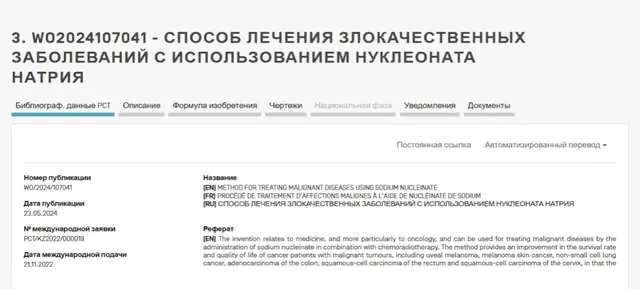
Patent WO2024107041: a method of treating malignant diseases using sodium nucleinate
Patent

A method of treating malignant diseases using sodium nucleinate

International application PCT/KZ2022/000019 · publication WO 2024/107041 · 2024

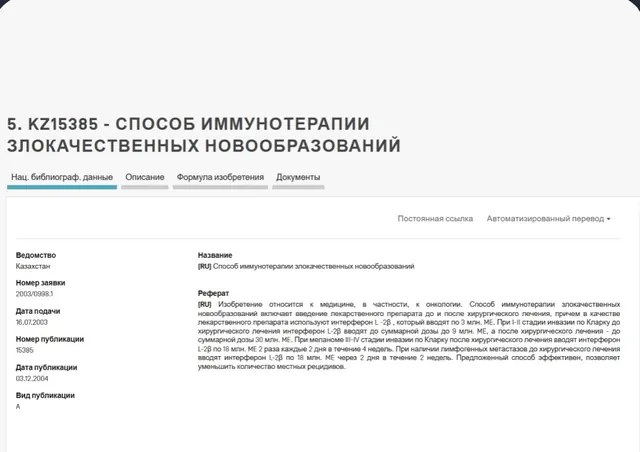
Patent KZ15385: a method of immunotherapy for malignant neoplasms
Patent

A method of immunotherapy for malignant neoplasms

Patent of the Republic of Kazakhstan KZ 15385 · 2004

WE ARE NOT JUST PROFESSIONALS, BUT TRUE ENTHUSIASTS IN OUR FIELD

We are confident that mitochondrial medicine can become the foundation for new solutions in the diagnosis and treatment of a wide range of diseases, including cancer.

THE CRITICAL ROLE OF MITOCHONDRIA IN THE AGING PROCESS

Aging is associated with the accumulation of damage in mitochondria and a decline in their ability to produce energy, which accelerates cellular aging and contributes to the development of age-related diseases.

Numerous clinical studies show that maintaining mitochondrial health can slow the aging process and improve quality of life in later years.
01

OXIDATIVE STRESS AND AGING

Oxidative stress is one of the main causes of cellular aging. Mitochondria are the primary source of reactive oxygen species (ROS), which damage DNA, proteins and lipids. The accumulation of this damage leads to tissue aging and the development of age-related diseases such as cancer and cardiovascular disease. Supporting mitochondria and keeping ROS under control can slow this process.

Source: "Oxidative Stress, Mitochondria, and Aging…", Nature Reviews Mol. Cell Biology (2018)

02

MITOCHONDRIAL THEORY OF AGING

According to the mitochondrial theory of aging, the gradual accumulation of mutations in mitochondrial DNA (mtDNA) leads over time to a decline in mitochondrial function, causing an energy deficit in cells and disrupting their normal processes. This contributes to the degeneration of tissues and organs, which manifests as aging. Mitochondrial diagnostics help detect these disorders at an early stage and correct them with targeted therapies.

Source: "Mitochondrial DNA Mutations and Aging: Insights from Animal Models," Cell (2019).

03

COGNITIVE AGING

Mitochondrial dysfunction is one of the causes of age-related decline in cognitive functions such as memory, attention and information processing speed. Impaired mitochondrial function in neurons leads to ROS accumulation and neuronal damage, resulting in cognitive disorders such as dementia and Alzheimer's disease. Assessing mitochondrial function in the brain may help prevent the development of these disorders and improve cognitive health.

Source: "Mitochondrial Dysfunction and Cognitive Aging: Therapeutic Interventions," Trends in Neurosciences (2019).

04

SKIN AGING

Mitochondrial dysfunction also affects skin aging. Over time, mitochondrial damage accumulates in the skin, reducing the production of energy needed to sustain regeneration and collagen synthesis. This leads to loss of skin elasticity, wrinkle formation and a general decline in skin condition. Maintaining mitochondrial health with antioxidants and mitochondrial stimulants helps slow the skin aging process.

Source: "Mitochondria in Skin Aging: Functions, Dysfunctions, and Therapeutic Approaches," Journal of Dermatological Science (2020).

05

MITOCHONDRIA AND LIFESPAN

Research shows that mitochondrial function is directly linked to lifespan. Animals whose mitochondria sustain more efficient energy production and are less susceptible to oxidative stress live longer. This opens the door to mitochondrial interventions, such as stimulating mitochondrial biogenesis and enhancing mitochondrial protection, to extend the human lifespan.

Source: "Mitochondrial Mechanisms of Longevity in Animal Models," Science (2021).

06

ENERGY METABOLISM AND AGE-RELATED CHANGES

With age, cellular energy metabolism declines overall, which is linked to deteriorating mitochondrial function. This results in reduced endurance, fatigue and a general decline in the body's functional capacity. Assessing mitochondrial energy status can help identify the causes of this energy decline and develop corrective strategies, such as the use of coenzymes and metabolic activators.

Source: "Mitochondrial Metabolism and Aging: Cellular and Molecular Perspectives," Cell Metabolism (2020).

07

MITOPHAGY

Mitophagy is the process of removing damaged mitochondria, and it plays an important role in maintaining cellular health. With age, mitophagy becomes less efficient, leading to the accumulation of damaged mitochondria and accelerated cellular aging. Stimulating mitophagy with specialized agents and therapies can slow aging and improve the function of organs and tissues.

Source: "Mitophagy and Aging: Mitochondrial Quality Control in the Aging Process," Journal of Molecular Biology (2021).

08

NEUROENDOCRINE SYSTEM

Mitochondria regulate the activity of the neuroendocrine system, which controls many processes involved in age-related change, such as hormone levels and metabolism. Reduced mitochondrial activity can disrupt this system, leading to hormonal imbalance, weakened immunity and other symptoms of aging. Maintaining mitochondrial health helps stabilize neuroendocrine function and slow the aging process.

Source: "Mitochondrial-Endocrine Crosstalk and Aging: Mechanisms and Therapeutic Insights," Endocrinology (2020).

09

APOPTOSIS

Apoptosis is the process of programmed cell death, in which mitochondria play a key role. With age, the balance between cell death and regeneration is disrupted, leading to the accumulation of damaged cells that contribute to tissue aging. Regulating apoptosis by improving mitochondrial function can help slow this process and maintain cellular health.

Source: "Mitochondrial Apoptosis and Aging: Mechanistic Insights and Interventions," Aging Cell (2019).

TRAINING. A COURSE FOR PHYSICIANS – MITOCHONDRIA: THE FULL CYCLE

THEORY, DIAGNOSTICS, TREATMENT.

30 HOURS OF CONTINUOUS TRAINING

Our team has extensive experience in developing and testing therapeutic protocols, which not only improves treatment efficacy but also reduces the likelihood of side effects.

We provide complete guidance on individualized treatment regimens that account for each patient's specific characteristics, such as age, weight, comorbidities and other factors.

Innovative delivery forms for active molecules to restore mitochondrial function

Modern individualized mitochondrial therapy uses a variety of delivery forms and a broad range of active molecules, each tailored to the individual needs of the body.

Depending on the deficiencies identified and the ultimate goal of therapy mitochondrial therapy may include:

  • Increased production of ATP (the energy of life)
  • Improved mitochondrial respiration and metabolism
  • Strengthening of mitochondrial membranes
  • Antioxidant protection
  • Increased number and functionality of mitochondria
  • Improved cellular detoxification
  • Maintaining the integrity of the mitochondrial genome
  • Reduced inflammation
  • Supporting the health of the nervous system
  • Hydration and cellular repair
ORDER

MITOCHONDRIA: THE CONTROL CENTER OF LIFE AND AGING

Decades of research, recognized by the global scientific community:

The role of mitochondria in aging has long been a focus of close scientific attention. Since the mid-20th century, research has revealed their key function in regulating cellular energy, oxidative stress and genetic stability. The work of such outstanding scientists as Hans Krebs, Peter Mitchell and Yoshinori Ohsumi laid the scientific foundation confirming the critical importance of mitochondria for health and longevity. Today, research in this field continues to deepen, offering new approaches to slowing aging and preventing age-related diseases.
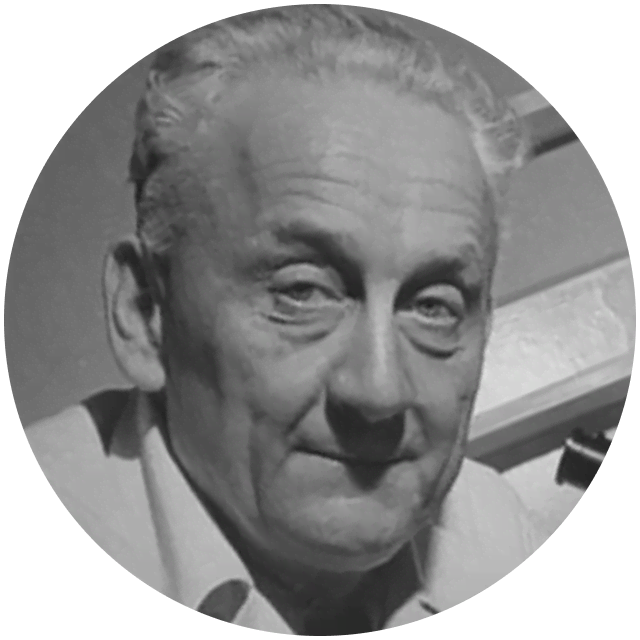
ALBERT SZENT‑GYÖRGYI (1937)

Award: Nobel Prize in Physiology or Medicine.

Work: Discovery of vitamin C and its role in cellular respiration.

Link to mitochondria: His research contributed to the understanding of energy metabolism, including the role of mitochondria in the Krebs cycle.
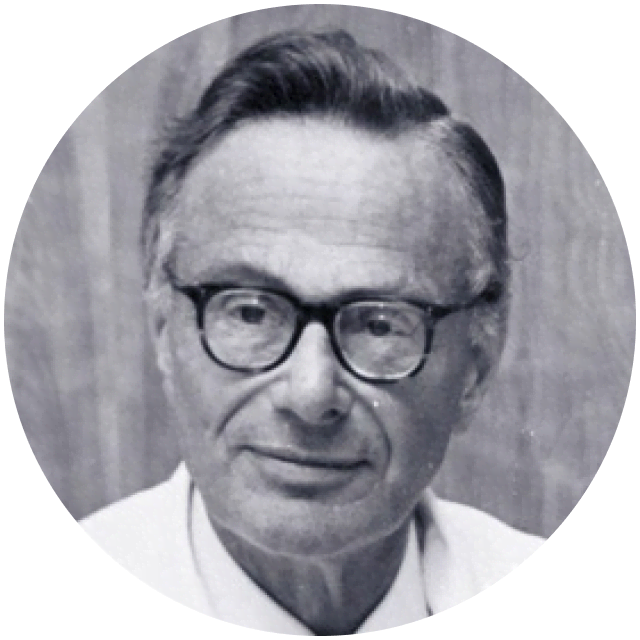
HANS ADOLF KREBS (1953)

Award: Nobel Prize in Physiology or Medicine.

Work: Discovery of the tricarboxylic acid cycle (the Krebs cycle).

Link to mitochondria: The Krebs cycle is a key process in mitochondrial energy production, which is critically important for cellular metabolism and aging.


Venkatraman Ramakrishnan Thomas Steitz Ada Yonath

VENKATRAMAN RAMAKRISHNAN, THOMAS STEITZ, ADA YONATH (2009)

Award: Nobel Prize in Chemistry.

Work: For studies of the structure and function of the ribosome and the elucidation of its atomic structure.

Link to mitochondria: The function of polysomes (clusters of ribosomes) is integral to understanding protein synthesis, and mitochondrial ribosomes (mitoribosomes) are critically important for mitochondrial biogenesis and the synthesis of respiratory chain proteins.


Sydney Brenner Robert Horvitz John Sulston

SYDNEY BRENNER, ROBERT HORVITZ, JOHN SULSTON (2002)

Award: Nobel Prize in Physiology or Medicine.

Work: For discoveries concerning the genetic regulation of organ development and programmed cell death (apoptosis).

Link to mitochondria: Apoptosis is regulated by mitochondria through the release of cytochrome c and the activation of caspases.

Yoshinori Ohsumi

YOSHINORI OHSUMI (2016)

Award: Nobel Prize in Physiology or Medicine.

Work: For the discovery of the mechanisms of autophagy.

Link to mitochondria: Autophagy regulates the removal of damaged mitochondria (mitophagy); calcium stress plays an important role in its activation.
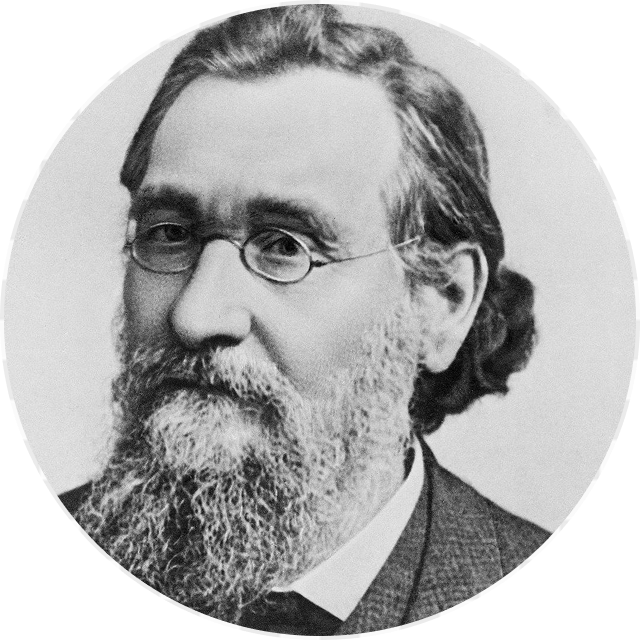
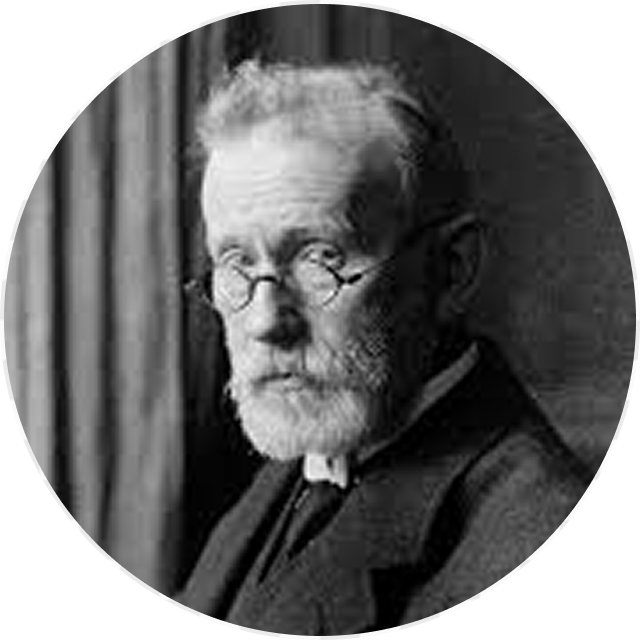
Ilya Mechnikov Paul Ehrlich

ILYA MECHNIKOV, PAUL EHRLICH (1908)

Award: Nobel Prize in Physiology or Medicine.

Work: For their research on immunity and the discovery of phagocytosis.

Link to mitochondria: Phagocytosis and phagosome formation are closely linked to mitochondrial energetics and ROS signaling in immune cells.
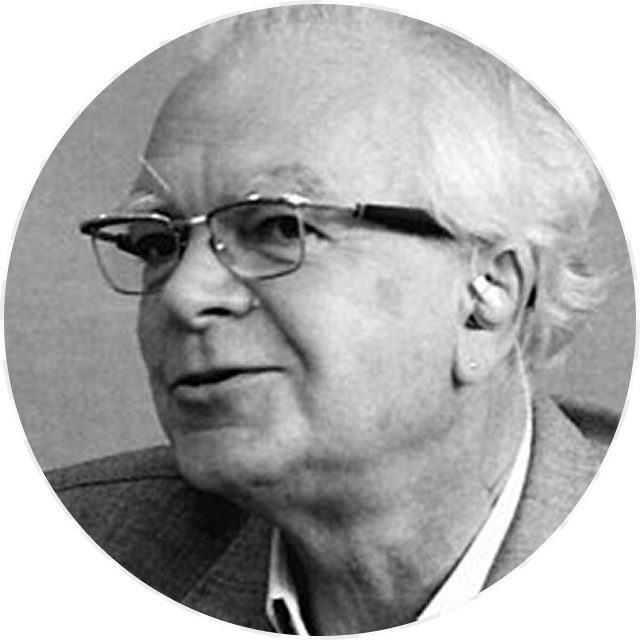
Peter Mitchell

PETER MITCHELL (1978)

Award: Nobel Prize in Chemistry.

Work: For formulating the chemiosmotic theory, which explains ATP synthesis in mitochondria.

Link to mitochondria: His theory describes how the respiratory chain works and how ATP is synthesized via the proton gradient.
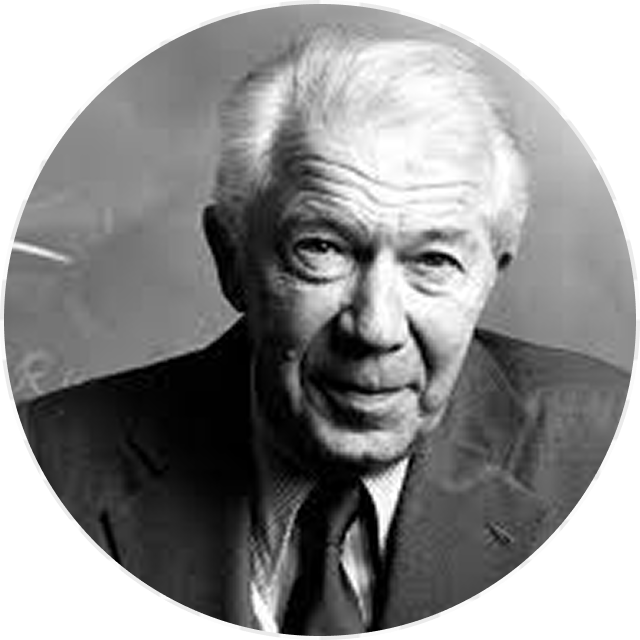
Christian de Duve

CHRISTIAN DE DUVE (1974)

Award: Nobel Prize in Physiology or Medicine.

Work: For the discovery of lysosomes and their role in cellular organization.

Link to mitochondria: De Duve's research linked degradation processes (lysosomes) to mitophagy and mitochondrial quality control.
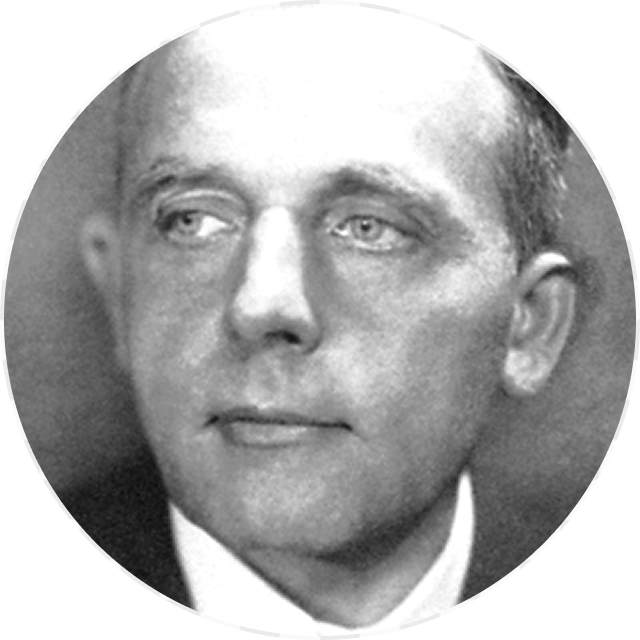
Otto Warburg

OTTO WARBURG (1931)

Award: Nobel Prize in Physiology or Medicine.

Work: For the discovery of the nature and mode of action of the respiratory enzyme.

Link to mitochondria: He studied cellular respiration and described the "Warburg effect" — enhanced glycolysis in cancer cells even in the presence of oxygen.


William Kaelin Jr. Peter Ratcliffe Gregg Semenza

WILLIAM KAELIN, PETER RATCLIFFE, GREGG SEMENZA (2019)

Award: Nobel Prize in Physiology or Medicine.

Work: For their discoveries of the mechanisms by which cells adapt to hypoxia.

Link to mitochondria: Their discoveries linked the hypoxic response and the regulation of gene expression to mitochondrial function and stress.
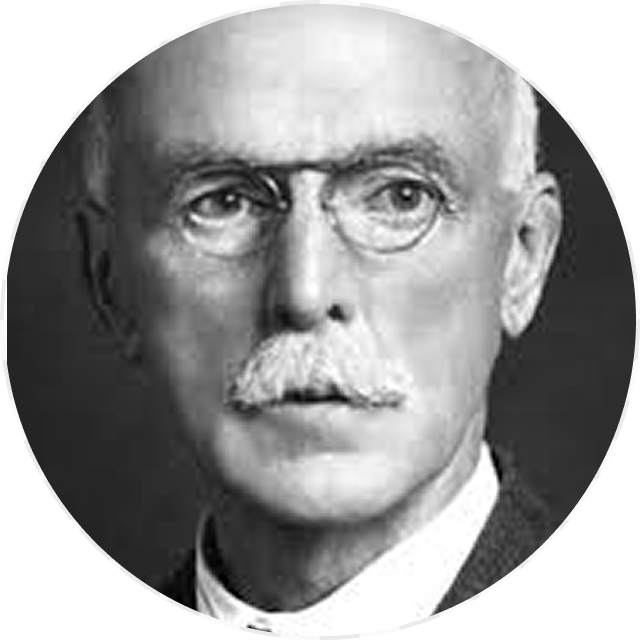
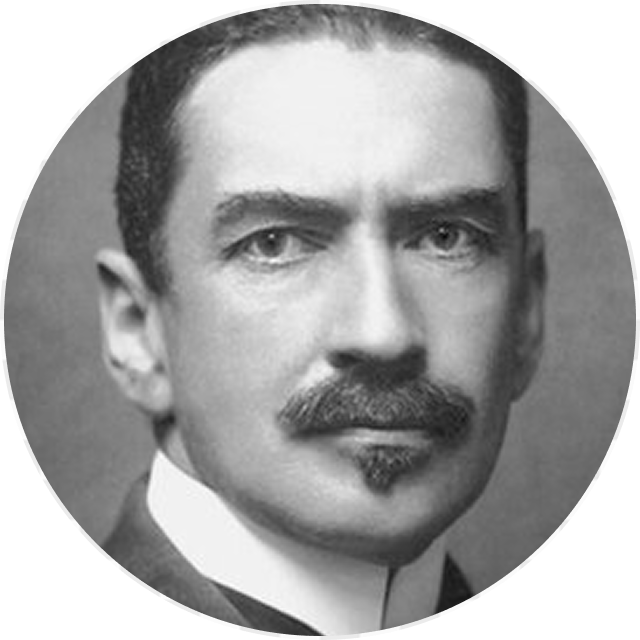
Arthur Harden Hans von Euler-Chelpin

ARTHUR HARDEN, HANS VON EULER-CHELPIN (1929)

Award: Nobel Prize in Chemistry.

Work: For their investigations on the fermentation of sugar and fermentative enzymes.

Link to mitochondria: Their discoveries concerned NAD⁺/NADH — key coenzymes of the mitochondrial respiratory chain.
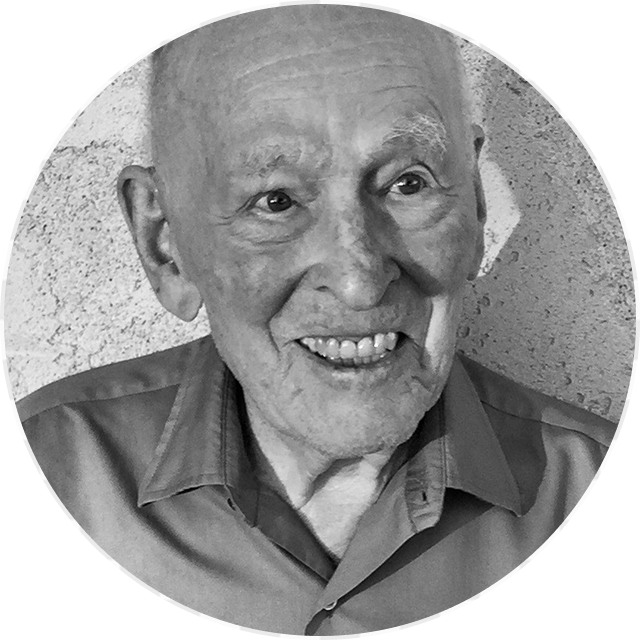

Paul Boyer John Walker

PAUL BOYER, JOHN WALKER (1997)

Award: Nobel Prize in Chemistry.

Work: For elucidating the enzymatic mechanism of ATP synthesis.

Link to mitochondria: Their work explained how ATP synthase — the enzyme of Complex V of the mitochondrial respiratory chain — operates.


Demis Hassabis John Jumper

DEMIS HASSABIS, JOHN JUMPER (2024)

Award: Nobel Prize in Chemistry.

Work: For developing AlphaFold, a method for predicting protein structures.

Link to mitochondria: AlphaFold made it possible to resolve the structure of respiratory chain proteins in detail, including the mitochondrial complexes.


RESEARCH ON MITOCHONDRIA

MITOCHONDRIAL THEORY OF AGING (1956)

Denham Harman

Key idea: Denham Harman proposed that aging is linked to the accumulation of damage caused by free radicals produced by mitochondria during cellular respiration.

Contribution: This theory laid the foundation for numerous studies on the role of mitochondria in oxidative stress and their influence on the aging process.

STUDIES OF MITOCHONDRIAL DNA (mtDNA) MUTATIONS (1990)

Douglas Wallace, Jan Treisikik

Studies: Research groups led by scientists such as Douglas Wallace and Jan Treisikik found that mtDNA mutations accumulate with age, impairing mitochondrial function and leading to cellular aging.

Significance: They showed that mitochondrial dysfunction is one of the key factors in age-related diseases such as neurodegenerative disorders.

THE ROLE OF MITOCHONDRIA IN APOPTOSIS (1994)

Stanley Korsmeyer and colleagues

Key idea: It was shown that mitochondria regulate programmed cell death through the release of cytochrome c and the activation of caspases.

Significance: This established mitochondria as key regulators of cell survival, which is essential for understanding cancer and neurodegenerative diseases.

MITOCHONDRIAL BIOGENESIS AND PGC-1α (1999)

Bruce Spiegelman

Studies: Discovery of the coactivator PGC-1α as the master regulator of mitochondrial biogenesis and adaptation to physical exertion.

Significance: A link was established between physical activity, metabolism and the number of mitochondria.

MITOCHONDRIA AND PARKINSON'S DISEASE (1997)

Sergey Nikitin, J. Langston

Key idea: MPTP studies showed that toxic damage to mitochondrial Complex I leads to the death of dopaminergic neurons.

Significance: This provided direct evidence of the link between mitochondrial dysfunction and the development of Parkinson's disease.

MITOCHONDRIAL THEORY OF SARCOPENIA (2000)

David Hood, M. Johnson

Key idea: A decline in mitochondrial function in muscle is associated with age-related loss of muscle mass and strength.

Contribution: This confirmed the role of mitochondrial energy in maintaining muscle tissue in older adults.

MITOPHAGY AND QUALITY CONTROL (2008)

Richard Youle, David Chan

Studies: They described the mechanisms of mitophagy — the selective removal of damaged mitochondria through autophagy.

Significance: They proved that impaired mitophagy leads to the accumulation of defective mitochondria and the development of age-related diseases.

THE ROLE OF MITOCHONDRIA IN THE IMMUNE RESPONSE (2011)

Glenn Nunez, Eric Hoffman

Key idea: They showed that mitochondria take part in shaping the immune response through mtDNA, ROS signals and inflammasome activation.

Significance: They linked mitochondrial mechanisms to inflammation and autoimmune diseases.

MITOCHONDRIAL ENERGY CRISIS IN NEURODEGENERATION (2004)

Hans Walter, Michael Fischer

Key idea: A model was proposed in which falling ATP and rising ROS in neurons trigger degenerative processes.

Contribution: This provided new insight into Alzheimer's and Parkinson's diseases.

STUDIES OF MITOCHONDRIAL NETWORKS (2013)

Luca Scaffidi, T. Misu

Key idea: It was shown that mitochondria exist as dynamic networks undergoing fusion and fission.

Significance: It became clear that disrupted mitochondrial dynamics lead to metabolic and neurodegenerative diseases.

MITOCHONDRIA AND STEM CELLS (2015)

Shao Chen, Ronald DePinho

Key idea: Studies showed that the state of mitochondria determines the ability of stem cells to self-renew and differentiate.

Significance: This laid the groundwork for understanding the role of mitochondria in regenerative medicine.

MITOCHONDRIA AND THE BRAIN'S REWARD SYSTEM (2018)

Thomas Carmichael, D. Freeman

Key idea: They showed that mitochondrial activity regulates neuroplasticity and motivation in the brain's dopamine pathways.

Contribution: They linked mitochondrial impairments to depression and psychiatric disorders.

Telephone telegram telegram WhatsApp